What Is a Super Ager?
Interestingly, the research shows that the brains of super agers are structurally distinct in ways that scientists are just beginning to understand. These aren’t subtle shifts, either. Super agers appear to preserve the physical architecture that supports memory, decision-making, and connection well into their 80s and beyond.
Here are three things research reveals about how their brains are built to last:
- Thicker Gray Matter: Gray matter is responsible for processing information and controlling functions like movement, memory, and emotions. According to a study published in Cerebral Cortex, super agers have thicker cortical brain regions, especially in the anterior cingulate cortex. This reflects preserved gray matter, specifically the outer layers of the brain involved in processing and higher cognitive functions. While this is a promising marker, it’s important to recognize that gray matter thickness is just one of several brain aging indicators and doesn’t capture the full complexity of cognitive resilience.
- More Social Brain Cells: (Yes, those are a thing) TheNational Institute on Aging notes that some super agers’ brains contained a much higher density of a particular type of cell called von Economo neurons, which are linked to social intelligence and awareness.
- Less White Matter Atrophy: White matter is the communication highway between different brain regions and between the brain and the spinal cord. A 2024 study in the Journal of Neuroscience found that super agers show significantly less white matter atrophy (thinning or shrinkage) over time compared to typical older adults. Preserving white matter supports better overall brain connectivity and coordination.
5 Science-Backed Habits That Support Super Aging
The good news? You don’t have to win the genetic lottery to become a super ager. In fact, lifestyle and mindset matter more than you think.
1. Deliberately Challenge Your Brain
Super Agers actively seek out cognitive effort. They don’t let their minds coast.
- Learning a new language or instrument
- Playing strategy games like chess or bridge
- Engaging in storytelling, writing, or public speaking
According to Northwestern researchers, super agers are often lifelong learners who embrace mental effort. This is how you promote neuroplasticity. The brain’s ability to change and adapt through experience. Neuroplasticity, helping your brain build new pathways as you age.
2. Move with Intention
Building muscle and increasing your aerobic capacity not only strengthens your body but also fuels your brain. Physical activity improves blood flow, lowers your body’s response to an illness, injury or something that doesn’t belong in your body (like germs or toxic chemicals).
According to Harvard Health, preserving your exercise capacity, especially yourVO2 mX, is critical to aging well. How much you retain depends on the intensity, duration, and frequency of your workouts.
- For beginners, aim to elevate your heart rate to 50% of your max (calculated as 220 minus your age), and work up to 60–70% over time. At that level, you’ll be breathing heavily and unable to talk easily while exercising.
- Aim for 20 to 40 minutes of aerobic activity, 3 to 5 days a week.
- Incorporate strength training to support mobility and metabolic health.
Your exercise plan should be tailored to your physical ability and health status, especially if you’re managing mobility limitations or chronic conditions.
3. Find Your People
Super agers often maintain close relationships and have a community.Strong social connections are protective against cognitive decline and depression.
According to a study, super agers reported higher psychological well-being, life satisfaction, and stronger social networks than typical older adults, suggesting that emotional resilience and interpersonal engagement play a significant role in memory preservation and quality of life.
- Schedule regular calls or walks with friends
- Play a racquet sport for fun
- Join a club, class, or volunteer group
- Sign up for an art class
- Prioritize presence over perfection in your relationships
Try something new, something you’re interested in but haven’t done before, maybe something that feels a little risky, so you need to stoke some courage (it’s good to flex your courage muscles with healthy risks).
4. Align With Your Purpose
Having a reason to get up in the morning matters. Whether it’s volunteering, mentoring, or pursuing creative projects, knowing your why is key.
Older adults with a stronger sense of purpose in daily life had better cognitive function throughout the day, suggesting that purpose may help maintain attention, memory, and executive functioning even in advanced age. Additional research supports these findings, showing that a strong sense of purpose promotes resilience to brain aging by reducing the cognitive burden of structural brain changes in midlife.
Whether it’s mentoring, volunteering, caregiving, or activism, purpose supports:
- Attention
- Memory
- Executive functioning
- Motivation
It’s important to note that these findings are correlational, meaning that purpose is associated with better function, but causality is still being explored. New research suggests purpose does improve overall wellbeing.
5. Tell Yourself A Good Story
If you want to live a long, healthy life, one tool people overlook: stories. Super Agers don’t just move more, think harder, or connect better; they also tell themselves a different story about what’s possible and about aging itself. Their secret? Mindset.
We now know that how we perceive aging can directly affect how we experience it. In fact, multiple studies, including pioneering work from Yale researcher Becca Levy, PhD, have found that people with positive attitudes and beliefs about aging live significantly longer than those with negative views. The takeaway: the stories we tell ourselves about getting older shape our biology.
Instead of bracing for decline, super agers lean into growth. They expect meaning, vitality, and relevance, no matter the number on the calendar. This mindset shift rewires how we respond to challenges, how we care for our bodies, and even how our brains age.
Exercise, nutrition, sleep, and purpose matter, but so does rejecting outdated narratives about aging and replacing them with something bolder, more empowering, and true to who you are now.
Fiber-rich carbs can help you thrive in your 70’s, 80’s and beyond
If you’ve ever wondered, Are carbs healthy? You’re not alone. Carbs have gotten a bad rap over the past few decades, often lumped into the “foods to avoid” category for anyone trying to lose weight or stay healthy. But a groundbreaking new study reframes that conversation entirely.
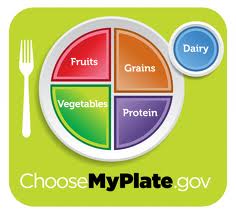
A 32-year study published in JAMA Network Open followed more than 47,000 women from their 40s into their 70s and 80s. The findings? Women who ate more high-quality carbohydrates, meaning fiber-rich foods like fruits, vegetables, legumes, and whole grains, were significantly more likely to thrive and age in good health.
Not just surviving, thriving! That means avoiding major chronic illness, staying harp, physically strong, and emotionally well.
Do Carbs Support Healthy Aging?
The health habits you set in your 30s, 40s, and 50s can ripple forward for decades. With refined carbs still dominating the modern diet (42% of total energy intake in the U.S.), this study is a wake-up call for how the quality of those carbs can shape your health span.
This study was conducted through the long-running Nurses’ Health Study, tracking dietary habits beginning in 1984 and participants’ aging outcomes through 2016.
Here’s what they found: Compared to women who consumed fewer “quality” carbs, those who prioritized them had:
- 31% greater odds of healthy aging, for every 10% increase in calories from high-quality carbohydrates. Refined carbohydrates (like white bread, sugary snacks, and processed starches) were associated with 13% lower odds of aging well.
- Better mental health and memory: Carbs from fruits, vegetables, whole grains, and legumes (along with fiber from those same foods) had strong positive associations with cognitive function, physical ability, and mental health. A higher glycemic index (GI) and carb-to-fiber ratio were both linked to worse outcomes.
- Higher physical function
The ability to move freely and easily through a full range of motion.
Mobility: People with higher intake of high-quality carbs and fiber were more likely to report no physical limitations in older adulthood. These benefits were especially robust for vegetable and cereal fiber, which were tied to preserved mobility and physical independence.
Researchers controlled for physical activity, smoking, BMI, multivitamin use, and overall diet quality to isolate the impact of carbohydrates themselves. The association remained strong even when adjusting for protein, fat, and calorie intake.
What Counts as a High-Quality Carb?
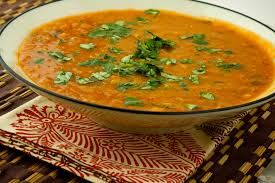
Let’s be clear: this isn’t about loading up on plates of pasta. It’s about choosing carbohydrates that are naturally nutrient-dense, fiber-rich, and minimally processed. That bowl of lentils? It might just be the longevity hack you’ve been looking for. Living a long life; influenced by genetics, environment, and lifestyle.
If you’re wondering what counts as a healthy carb, here’s your cheat sheet:
Look for foods that are:
- Nutrient-dense
- Naturally high in fiber
- Minimally processed
1) Whole Grains That Keep You Sharp
Quinoa, oats, barley, millet, popcorn
These grains supported better physical function and metabolic health over time. Rich in fiber and nutrients, they help stabilize blood sugar and feed your gut microbiome, which plays a key role in aging well.
The community of microorganisms (bacteria, viruses, fungi) living in a particular environment, especially the gut.
2) Fruits That Fight Cognitive Decline
Berries, apples, oranges
These fruits were linked to reduced risk of chronic disease and cognitive decline. Berries, especially, are packed with polyphenols shown to protect the brain.
3) Vegetables That Fuel Your Body
Leafy greens, carrots, broccoli
These veggies stood out for their role in supporting long-term mobility, vision, and mental clarity. High in antioxidants and phytochemicals, they help reduce inflammation at the cellular level. Your body’s response to an illness, injury or something that doesn’t belong in your body (like germs or toxic chemicals).
4) Legumes That Power Longevity
Lentils, chickpeas, black beans
High in plant-based protein and resistant starch, these humble foods were tied to better heart health and blood sugar regulation, two major predictors of aging well.
5) Fiber: The Most Humble (and Powerful) Longevity Nutrient
From cereals, fruits, and vegetables
More fiber means fewer health problems. People with high fiber intake had significantly better odds of healthy aging across all categories: body, brain, and emotional well-being.
These foods support metabolic health, brain function, and even emotional resilience. They also feed your microbiome, a key player in inflammation, immunity, and energy regulation.
5-Day Carb Quality Check
Want to make a meaningful shift? Try this simple 5-day carb tune-up:
- Day 1 – Breakfast: Swap sugary cereal or toast for oatmeal topped with berries and chia seeds.
- Day 2 – Lunch: Add chickpeas or lentils to your grain bowl or salad.
- Day 3 – Snack: Replace crackers or granola bars with fresh fruit and a spoonful of nut butter.
- Day 4 – Dinner: Use sweet potato, barley, or farro instead of white rice or pasta.
- Day 5 – Label Scan: Check your pantry. Look for carb sources with at least 3g of fiber per serving and minimal added sugars.
Bonus Micropractice: Flip Your Fiber Ratio
Here’s a quick exercise to check your carb quality:
- Total your daily grams of carbs and dietary fiber.
- Divide carbs by fiber.
- Aim for a ratio under 10:1. (Lower is better. Higher means you’re likely eating more refined carbs.)
Example: If you eat 250g of carbs and 25g of fiber, that’s a 10:1 ratio. If it’s 300g carbs and 15g fiber, that’s 20:1, not great.
So, Are Carbs Healthy? Yes, when they come from the right sources. The science is clear: Whole, fiber-rich carbohydrates from plants are not only safe, they’re essential for long-term health, especially when you start prioritizing them in midlife.
Top supplements to support grey and white matter in the brain:
1. Omega-3 fatty acids
- These fatty acids, particularly DHA and EPA, are crucial for the structure and function of brain cells.
- DHA is a primary component of grey matter, which is involved in functions like memory and emotional regulation.
- Omega-3s support brain cell structure, reduce inflammation, improve blood flow, and enhance neurotransmitter function.
- They are associated with better memory performance and slower cognitive decline.
2. B Vitamins
- Specifically, vitamins B6, B9 (folate), and B12 are vital for various brain processes.
- They play roles in energy production, DNA repair, and the formation of myelin sheaths (the protective coating around nerve cells).
- Deficiencies, especially in B12, have been linked to cognitive decline and brain fog.
- Supplementation, particularly with a B-complex, can help maintain healthy homocysteine levels, which, when elevated, can damage the brain.
3. Phosphatidylserine Serine
- This fatty substance helps nerve cells in the brain communicate.
- It’s been studied for its potential to improve memory, attention, and concentration.
- Some research suggests it may help slow cognitive decline as we age.
4. Curcumin
- The active compound in turmeric, curcumin, is known for its anti-inflammatory and antioxidant properties.
- It may help reduce neuroinflammation and potentially decrease amyloid plaque formation, which is linked to Alzheimer’s disease.
- A recent study in mice found that curcumin might also help repair white matter injury after a stroke.
5. Vitamin D3 with K
- Vitamin D receptors are located throughout the brain, suggesting its important role in cognitive function.
- Deficiencies are linked to lower cognitive performance, slower processing speed, and increased risk of cognitive decline.
- Supplementation, particularly when combined with adequate magnesium, may improve cognitive function, especially in older adults with deficiencies.
6. Vitamin E
- This antioxidant can help protect the brain from damage caused by free radicals.
- Some research indicates potential benefits for memory in older people, but more research is needed.
- Consult a doctor before taking vitamin E supplements, as high doses may be associated with risks.
7. Ginkgo Biloba
- This herb may help improve blood flow to the brain and act as an antioxidant.
- Some research suggests it may help with memory and concentration, but results are mixed.
- Ginkgo can interact with blood thinners, so consult a doctor before use.
8. L-Tyrosine
- An amino acid precursor to dopamine, which is involved in mood, motivation, and focus.
- May improve working memory and attention, particularly in stressful situations or for those with ADHD symptoms.
9. Lion’s Mane Mushroom
- Known for stimulating nerve growth factor (NGF), which supports neuroplasticity and brain function.
- Studies suggest it may help improve memory, reduce brain fog, and regenerate neurons.
10. Lithium
- Cognitive support: Some research suggests lithium may enhance memory, focus, and overall cognitive function.
- Neuroprotective effects: Studies indicate lithium may protect brain cells from damage, which could be relevant for conditions like Alzheimer’s and Parkinson’s disease. It may act by inhibiting GSK-3, an enzyme involved in many neuropsychiatric disorders, and could also promote new brain cell growth and reduce neuroinflammation.
- Supports grey and white matter in the brain- Studies have shown lithium can increase gray matter volume, particularly in limbic structures, and also improve white matter microstructure. This is thought to be linked to lithium’s neuroprotective effects, potentially slowing down neurodegeneration and promoting neuronal health.
 can’t help but start bobbing your head and tapping your feet. As long as there has been music, there has been dance, and over the years, humans have invented hundreds of different dances. If you love dancing and music but you’ve never really taken the time to learn how to properly cut a rug, then maybe dancing is the