Archive for Blog – Page 5

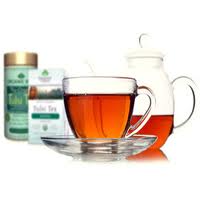
I drink tulsi tea every morning. Tulsi tea is an ancient herb from India.  Some of the health benefits are:

  • Helping boost your respiratory system
  • Supporting your healthy vision
  • Delivering you antioxidant protection against free radicals
  • Helping you alleviate minor discomfort and irritation
  • Providing you with a calming effect and stress relief
  • Helping bolster your immune system
  • Aiding you in enhancing your stamina
  • Helping you promote a healthy metabolism
  • Boosting your digestive system health
  • Helping you maintain blood sugar levels in the normal range
  • Providing you with skeletal and joint support
  • Aiding you in supporting normal cholesterol levels

Order Today!

Texas Yoga Retreat 2012

Restorative Yoga

Restorative Yoga

Restorative classes are usually very relaxing and are a good complement to more active practices. The teacher will arrange for the necessary props to be available to you. The lights may be dimmed and if it is chilly, you may be covered with a blanket since you will not be warming up the body the way you would be in a regular class. After you are set up in a pose with all your props, you will hold the pose for an extended period, often ten to twenty minutes. Although you are supported, you will definitely still feel the stretch. It’s a relaxing style of practice that leaves you feeling open , relaxed and refreshed.


And here they are the following morning.  Refreshed and ready to go!

visit Texasyoga.com for more information.


Don’t suffer with a UTI!

Women are more prone to urinary tract infections than men, in part because of their shorter urethras. Adult men have another factor going for them—a bacterial growth inhibitor injected directly into their urinary system by their prostate glands.

Studies show that cranberry juice can help by promoting a healthy flora.  But drinking cranberry juice loaded with fructose potentially makes the problem worse!

But there is a great discovery that has come from the cranberry juice-urinary tract connection. The active ingredient in cranberry juice responsible for its benefit to your urinary system has been identified and isolated—and that is D-mannose.  It is not a drug.  It is a naturally occurring sugar, which does not raise your blood sugar levels.

D-mannose can be derived from berries, peaches, apples, and some other plants. Pure D-mannose is  10-50 times stronger than cranberry, non-toxic and completely safe, with NO adverse effects.  Amazing!

D-mannose can help cure more than 90 percent of all UTIs within 1 to 2 days!

But how can a natural sugar combat a UTI?

More than 90 percent of all UTI’s are caused by Escherichia coli (E. coli), which is normally found in your intestinal tract. Problems only arise when this ordinary bacterium is present in high numbers in places where it shouldn’t be—like your urinary system.  Bacteria attaches to the D-mannose and leaves the body as you urinate.  It usually takes 24 to 48 hours to work.  So if you find yourself with a UTI please consider using D-mannose instead of antibiotics.  I recommend that you get it in powdered form.  It is more effective.  For those of us in the Austin area you can get at People’s Pharmacy.


Loads of Nutrition in Chiles!

chiles for health!

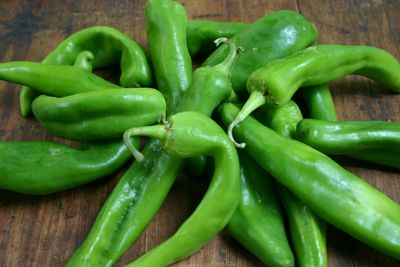
Hatch green chiles…more than good taste!

Chile peppers, despite in some cases, their fiery “hotness,” are a very popular spice known for medicinal and health benefiting properties. The chile is actually a fruit pod from the plant belonging to the nightshade family, like tomatoes or eggplant.

The chile plant is native to the Central American region where it was used as a spicy ingredient in Mexican cuisines for several thousand years. It was introduced to the rest of the world by Spanish and Portuguese explorers during 16th and 17th centuries and now grown widely in many parts of the world.

They range from the mild, fleshy, Mexican bell peppers to the tiny, fiery, finger-like chile peppers, commonly grown in the Indian subcontinent. The hotness of chile is measured in “Scoville heat units” (SHU). On the Scoville scale, a sweet bell pepper scores 0, a jalapeno around 2,500-4,000 and a Mexican habañeros 200,000 to 500,000…hot, hot, hot!

Health benefits of chile peppers

  • Chile peppers contain an impressive list of plant derived chemical compounds that are known to have disease preventing and health promoting properties.
  •  An alkaloid compound in them, capsaicin,  gives a strong spicy pungent character. Early laboratory studies on experimental mammals suggest that capsaicin has anti-bacterial, anti-carcinogenic, analgesic and anti-diabetic properties. It also found to reduce LDL cholesterol levels in obese individuals.
  • Fresh chile peppers, red or green, are a rich source of vitamin-C, 100 g. fresh chiles provide about 143.7 mcg or about 240% of RDA. Vitamin C is a potent water-soluble antioxidant. It is required for the collagen synthesis in the body. Collagen is the main structural protein in the body required for maintaining the integrity of blood vessels, skin, organs, and bones. Regular consumption of foods rich in vitamin C helps body protect from scurvy; develop resistance against infectious agents (boosts immunity) and scavenge harmful, pro-inflammatory free radicals from the body.
  • Also high in antioxidants like vitamin A, and flavonoids like beta-carotene, alpha carotene, lutein, zeaxanthin, and cryptoxanthins.
  • Chiles contain good amount of minerals like potassium, manganese, iron, and magnesium. Potassium is an important component of cell and body fluids that helps controlling heart rate and blood pressure. Manganese is used by the body as a co-factor for the antioxidant enzyme, superoxide dismutase.
  • High in B-complex group of vitamins such as niacin, pyridoxine (vitamin B-6), riboflavin and thiamin (vitamin B-1).

Amazingly high in vitamins and minerals. Just 100 g provides (in % of Recommended daily allowance)

240% of vitamin-C (Ascorbic acid),
39% of vitamin B-6 (Pyridoxine),
32% of vitamin A,
13% of iron,
14% of copper,
7% of potassium,
but no cholesterol.

Probiotics

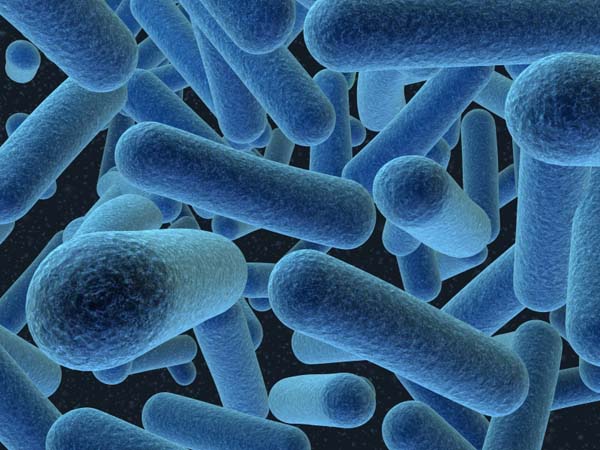
Bacteria in the gut

Bacteria in your gut


Many of us have heard the term probiotic, but what does it mean?  Probiotics are small organisms that help maintain the natural balance of organisms (micro flora) in the intestines.  The normal human digestive tract contains about 400 types of probiotic bacteria that reduce the growth of harmful bacteria and promote a healthy digestive system. The largest group of probiotic bacteria in the intestine is lactic acid bacteria, of which Lactobacillus acidophilus, found in yogurt with live cultures, is the best known. Yeast is also a probiotic substance. Probiotics are also available as supplements.

It has been suggested that probiotics be used to treat problems in the stomach and intestines. But only certain types of bacteria or yeast (called strains) have been shown to work in the digestive tract. It still needs to be proved which probiotics (alone or in combination) work to treat diseases. The strains of probiotics that have been proved to work for a specific disease are not widely available.

What are probiotics used for?

Many people use probiotics to prevent diarrhea, gas, and cramping caused by antibiotics. Antibiotics kill “good” (beneficial) bacteria along with the bacteria that cause illness. A decrease in beneficial bacteria may lead to digestive problems. Taking probiotics may help replace the lost beneficial bacteria. This can help prevent diarrhea.

A decrease in beneficial bacteria may also lead to other infections, such as vaginal yeast and urinary tract infections and symptoms such as diarrhea from intestinal illnesses.

.

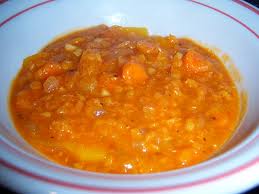
A hearty, delicious, nutritionally packed soup for cold weather.

Butternut and Red Lentil Soup

We had so much fun at our last cooking class! Here are few comments about the class.
I had so much fun Nina, and learned so much…especially about coconut oil. Can’t wait for the next one!
Heidi Fischer
I have been to both of Nina’s Happy Hour Cooking Classes and learn so much each time! The food is always delicious! Candace Bixler

What fun we had at the Wise Women’s Retreat, Ignite Your Light was held June 9th!
It was a day of meeting new women from around the state, learning and eating some great food!
I teamed up with Candace Bixler, Leadership Impact Life Coach, and MariJo Harding, Financial Coach.
For some time now I have wanted to bring these three areas of health, financial and life coaching together in one cohesive experience.
The day flowed well. Starting at 10 am we had a common gathering where we had a chance to visit and meet
each other. Throughout the day the women went to break out sessions in smaller groups and rotated between the three classes.
I prepared  a spread of organic, local fare such as gazpacho, and kale/avocado salad and quinoa with roasted vegetables.  All were delicious, nutritious and gluten free!
If you weren’t able to make it, we will keep you posted about our next retreat in the area!

Two of the participants had this to say:                                                                 

Karla Johanning : “I learned some valuable tools today.”

Glenda Roselle : “The entire day was fun and inspiring!”


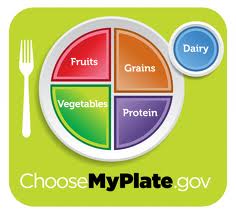
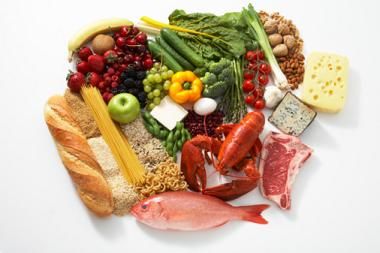
Have you seen the revamped “Healthy Plate”?  I admit it is better than the old food pyramid , but still far from what I would call healthy.

First of all, at least half the plate should be vegetables.  Fruit should be eaten by itself, not with the meal.  The reason for that is because the sugars break down quickly when digested and interfere with digestion of other food.  Fruit is often best in the morning or as a stand alone snack.


Contrary to popular belief, I believe that grains should be eaten in moderation because they are an acid producing food, that contribute to inflammation in the body.  If they are consumed, then certainly unrefined, whole grains such as brown rice, millet or quinoa are good choices.  In fact quinoa is actually a seed, not a grain, and it is a complete protein!

When it comes to protein there are many great choices that are not animal based such as tempeh, avocado, nut butters, and many vegetables have some protein.  If you are eating animal protein please try to eat grass fed beef, free range organic chicken, and choose fish that is not endangered or heavily laden with mercury such as fresh Atlantic salmon or fresh water trout.  Try to avoid all meat and fish that is farm raised as they have been raised on grain, and often there is the possibility of contamination from living conditions.  Farm raised meats are also full of hormones and antibiotics.  If you are gluten intolerant like me this is an important thing to know!


Most of us were raised with the “meat and potato” mentality right?  Maybe you are still eating this way.  The problem with combining a starch and a protein in the same meal is that it takes different enzymes to digest  them. So if you must have that baked potato…try to eat it by itself without the steak.  Instead have your protein with a large salad chocked full of veges and your digestive system will thank you!  Below is an example of a healthy well combined meal.

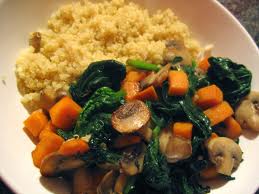
a whole food meal with no animal protein, quinoa is a complete protein

quinoa sweet potato and green


Trash your fosamex and boniva!

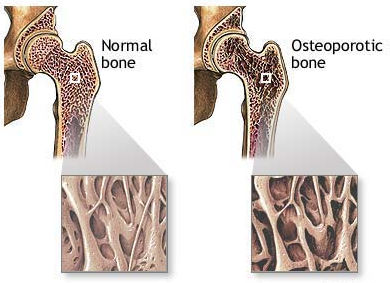
digram of bone loss

Though doctors and patients have been led to believe that these medications strengthen your bones, this recent study from Columbia University shows  that in fact they create more problems. The study confirmed the long-term dangers of bisphosphonate use. The most common ones are Boniva , Fosamax, and Reclast.  Researchers found these drugs do improve the integrity of bones – but only in the short term. They found that the longer you take these drugs, the more brittle your bones.

A second study compared the bones of women who took bisphosphonates with women who didn’t take these drugs. Both groups had bones that appeared to have the same structure. But the bones of women on bisphosphonates weren’t as strong as those who didn’t take them. While bisphosphonates will increase bone density and make bones look strong, researchers in both of these studies believe that bisphosphonates interfere with the body’s natural process of building healthy bone. So instead of curing your osteoporosis, they make it worse.

So what are we supposed to do?  I was diagnosed with osteopenia a few years ago.  I knew I had to change some things in my diet so that I would not only ingest more calcium rich foods, but absorb the calcium in them.

I started taking 4000 to 8000 IU’s of liquid Vitamin D daily.  I also upped my intake of calcium rich foods such as cruciferous vegetables and leafy greens.  Contrary to old belief, milk is not a good source of absorb-able calcium.  Yogurt, such as greek yogurt and kefir (without the sugar), are better sources because they are full of probiotics.

If you are not a vegetarian then I suggest cooking whole organic chickens and using the broth for other dishes.  It is rich in calcium.  If you enjoy fish, take a walk on the wild side and try sardines or anchovies!  The bones are a great source of bone strengthening goodies.

In addition to greens, vegetarians can enjoy calcium rich food such as okra,  almonds and tahini (sesame seed butter).

These days I have no osteopenia.  I do not, nor have I ever taken calcium supplements, and my levels are in the very healthy range.

Oh, and by the way, black coffee leaches calcium from your bones.  So if you drink coffee put a little something in it to cut the acidity.  Better yet…drink green or tulsi tea.


B-vitamins (brown rice, chicken, corn ,eggs, green leafs, legumes, meat, nuts, peas, sunflower seeds, nutritional yeast),
Calcium (almonds, brewer’s yeast, green leafs and cruciferous vegetables, fish with bones, sesame seeds, tofu)

Magnesium (green leafs, brown rice, sesame seeds, shrimp, salmon), Tryptophan (turkey, soy foods, peanuts, almonds).

Essential fatty acids necessary for serotonin production are the omega 3’s (fish oils found in mackerel, salmon, sardine, tuna; walnut oil, flax oil) and 6’s (canola oil, chicken, eggs, flax, grape seed oil, safflower oil, sunflower oil, turkey, wheat germ oil) as well as Gamma-Linolenic Acid (black current oil, bluegreen algae, borage oil, evening primrose oil).

Finding ways to manage stress is necessary as long-term stress depletes serotonin levels. Short term stress actually increases serotonin, but after time you get burn-out and it becomes increasingly difficult for the body to produce serotonin.

Avoid stimulants because they deplete serotonin over time. Things like caffeine, refined carbohydrates, chocolate, sugar as well as the heavier stimulants like cold remedies, alcohol, street drugs, diet pills and tobacco should be limited or avoided all together.

Serotonin is made from the amino acid, tryptophan. It is converted to melatonin in the pineal gland. Tryptophan, derived from food, is transported to the brain to make the neurotransmitter serotonin. At the appropriate place inside a brain cell, two enzymes and vitamin B6 transform tryptophan to serotonin. Serotonin is then transferred to the sending end of the neuron where it is used as a molecular messenger to carry information across the synapse to the receiving neuron. …

Serotonin production is sensitive to the supply of tryptophan in the diet. The effects of serotonin were first observed in the digestive tract where it causes contractions of the smooth muscle. In fact,as mentioned above, the largest amount of serotonin is found in the gut. Serotonin is released from blood platelets and elevates blood pressure. Its circuits arise from the brain stem arousal complex and reach into all areas of the brain. Increased serotonin circuit activity tends to activate abnormal behaviors. Too little serotonin is associated with sleep disturbances, loss of appetite and depression. Some antidepressant drugs increase serotonin activity.

One of my favorite foods rich in seratonin is kefir.  Kefir is an ancient, cultured food containing amino acids, enzymes, calcium, magnesium, phosphorus, vitamin K and B vitamins.  Clinical studies have associated kefir with many beneficial effects including immune enhancement properties.  Kefir literally translates to ”feel good” in Turkish (the land of kefier’s origin).  The friendly flora, like lacto-bacillus and beneficial yeast help convert the tryptophan in milk to serotonin, the brain chemical that makes you happier.  I either make my own or buy mine at the farmer’s market.

Serotonin is a neurotransmitter released into the synapse and bloodstream. However, certain foods cause serotonin to be released like candy, cereal and pasta. Anything with plenty of carbohydrates will increase serotonin levels. However, the effects won’t last long, maybe 2-3 hours.  One reason many people over eat carbohydrates is to achieve that temporary “happy” feeling that is produced.  However, overeating carbohydrates has MANY long term negative effects and is NOT recommended.

Chocolate, though, when eaten raw (unpasteurized and full of enzymes), is a great source of serotonin.