Author Archive for nina – Page 7

Pumpkin Soup

 This simple soup is low in calories, fat and sodium.  Pumpkins are high in vitamin A, zinc, iron, potassium and fiber.  Makes 8 Servings
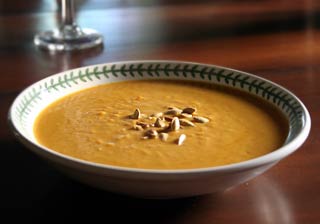
Pumpkin Soup

Easy Pumpkin Soup

4 cups low-sodium vegetable broth

4 cups pumpkin puree (canned or fresh)

1 cup finely chopped onion

1 clove garlic

1 tsp. fresh thyme, chopped

salt and pepper to taste

2 Tbsp. light whipping cream (optional)

1 tsp. fresh parsley, chopped and 1/2 tsp. nutmeg (optional)


In a large pot over medium high heat add 3 cups broth, pumpkin, onion, garlic, thyme, salt and pepper.

Bring to a boil.  Reduce to low and simmer uncovered, about 30 minutes.

Puree mixture until smooth, in small batches, using a blender or food processor.  Return to pot.  Bring to boil.  Reduce to low and simmer uncovered for another 30 minutes.  Add remaining broth as desired.

Pour into bowls and serve with garnish and nutmeg.
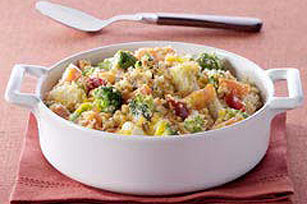
Layered Vegetable Casserole (Everything but the kitchen sink!) with Vegan Cheese Sauce

Everything but the kitchen sink

A delicious warm veggie casserole for fall


This easy casserole helps you use up any veggies you have on hand.  The cheese is not really cheese but a sauce made from brewer’s yeast and almond or rice milk.  It is delicious and a good source of protein, folate and potassium!


Use what ever veggies you like such as:

Mushroom, kale, spinach, eggplant, collard greens sweet potato, celery,

zucchini, radish, etc., chopped or diced


  • Saute 1 onion and 2 cloves garlic in coconut oil or butter for 5 minutes
  • Add veggies and saute for 3 or 4 minutes with onion and garlic
  • Salt, pepper and favorite herbs to taste
  • Cheese sauce:
  • 1 cup rice, almond or coconut milk (unsweetened)
  • 1 cup brewers yeast flakes
  • 2 Tbs. flour (gluten free if desired, such as garbanzo or rice flour)

 Heat the liquid, stir in flour to dissolve and add brewers yeast.  Cook 1 minute or to blend.

Pour over veggie mix.

 Cook at 350 for 30 to 40 minutes.

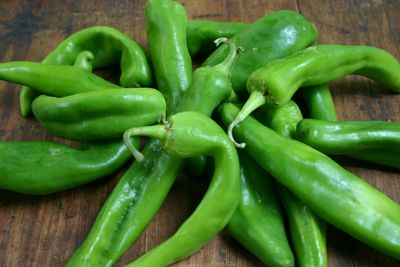
Loads of Nutrition in Chiles!

chiles for health!

Hatch green chiles…more than good taste!

Chile peppers, despite in some cases, their fiery “hotness,” are a very popular spice known for medicinal and health benefiting properties. The chile is actually a fruit pod from the plant belonging to the nightshade family, like tomatoes or eggplant.

The chile plant is native to the Central American region where it was used as a spicy ingredient in Mexican cuisines for several thousand years. It was introduced to the rest of the world by Spanish and Portuguese explorers during 16th and 17th centuries and now grown widely in many parts of the world.

They range from the mild, fleshy, Mexican bell peppers to the tiny, fiery, finger-like chile peppers, commonly grown in the Indian subcontinent. The hotness of chile is measured in “Scoville heat units” (SHU). On the Scoville scale, a sweet bell pepper scores 0, a jalapeno around 2,500-4,000 and a Mexican habañeros 200,000 to 500,000…hot, hot, hot!

Health benefits of chile peppers

  • Chile peppers contain an impressive list of plant derived chemical compounds that are known to have disease preventing and health promoting properties.
  •  An alkaloid compound in them, capsaicin,  gives a strong spicy pungent character. Early laboratory studies on experimental mammals suggest that capsaicin has anti-bacterial, anti-carcinogenic, analgesic and anti-diabetic properties. It also found to reduce LDL cholesterol levels in obese individuals.
  • Fresh chile peppers, red or green, are a rich source of vitamin-C, 100 g. fresh chiles provide about 143.7 mcg or about 240% of RDA. Vitamin C is a potent water-soluble antioxidant. It is required for the collagen synthesis in the body. Collagen is the main structural protein in the body required for maintaining the integrity of blood vessels, skin, organs, and bones. Regular consumption of foods rich in vitamin C helps body protect from scurvy; develop resistance against infectious agents (boosts immunity) and scavenge harmful, pro-inflammatory free radicals from the body.
  • Also high in antioxidants like vitamin A, and flavonoids like beta-carotene, alpha carotene, lutein, zeaxanthin, and cryptoxanthins.
  • Chiles contain good amount of minerals like potassium, manganese, iron, and magnesium. Potassium is an important component of cell and body fluids that helps controlling heart rate and blood pressure. Manganese is used by the body as a co-factor for the antioxidant enzyme, superoxide dismutase.
  • High in B-complex group of vitamins such as niacin, pyridoxine (vitamin B-6), riboflavin and thiamin (vitamin B-1).

Amazingly high in vitamins and minerals. Just 100 g provides (in % of Recommended daily allowance)

240% of vitamin-C (Ascorbic acid),
39% of vitamin B-6 (Pyridoxine),
32% of vitamin A,
13% of iron,
14% of copper,
7% of potassium,
but no cholesterol.

Hatch Green Chile Enchiladas

This recipe is vegetarian but if you want you can add shredded chicken breasts.


yummy green chile enchiladas

Ingredients
12 or so corn tortillas (could be more)
3 1/2 cups (28oz) green chile enchilada sauce (reserve 2 cups for topping).  You can get fresh or frozen from the market, or use canned hatch green chile sauce.
1 onion and 2 garlic cloves chopped and sauteed
1/2 cup mushrooms, sliced
1, 6oz can large black olives, sliced
2 heaping cups of baby spinach
1 0r 2 zucchini, chopped
1, 15.5oz can whole pinto beans (drained and low sodium if you can find it)
1, 15.5oz can black beans (drained and low sodium if you can find it)
2 chipotle peppers (canned), finely chopped
10  jalapeno slices (canned or jarred), finely chopped (optional)
1/2lb jack or raw cheddar cheese, grated
Grape seed or coconut oil for sauteing mushrooms
Serves 8-10
Preparation
Saute onion, garlic and mushrooms until very soft (about 10 minutes on med/low heat)..add spinach, zucchini squash, black olives and peppers to the mix

Cover baking dish with green sauce, warm tortillas slightly in a skillet over medium heat.  Fill each tortilla with the bean/vege mixture and sprinkle in small amount of cheese (you can leave the cheese out if dairy intolerant)

Roll and place in the sauce.  Layer the tortillas and green chile sauce and top with cheese.

Bake at 350 for 45minutes checking to see if needs covering at 30 minutes.

Top with sour cream, cilantro and sliced avocado if desired.  Serve with a large salad for a nutrient packed meal!

August Summer Recipes!

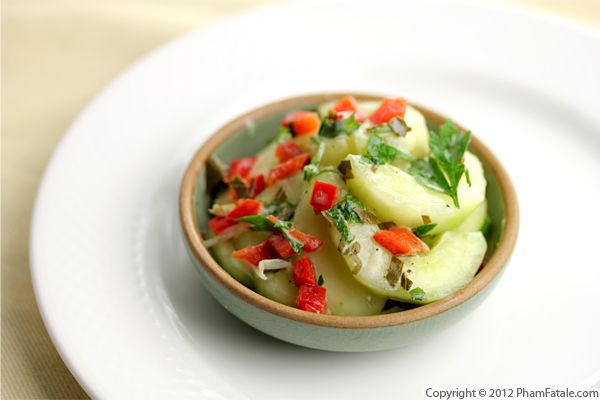
Summer Salad with cucumbers, sweet onion and tomatoes    

Summer Salad


Ingredients

  • 3 tablespoons rice or apple cider vinegar
  • 1 tablespoon olive oil
  • 1 teaspoon honey
  • 1/2 cup plain Greek yogurt
  • 1/2 teaspoon sea salt
  • 1/2 teaspoon freshly ground pepper, or more to taste
  • 2 medium cucumbers
  • 4 medium tomatoes, cut into 1/2-inch wedges
  • 1 Vidalia or other sweet onion, halved and very thinly sliced
  • 2 tablespoons coarsely chopped fresh herbs, such as flat-leaf parsley, chives and/or tarragon

Preparation

  1. Whisk vinegar, oil, honey, salt and pepper in a large shallow bowl.
  2. Remove alternating stripes of peel from the cucumbers. Slice the cucumbers into thin rounds. Add the cucumber slices, tomatoes and onion to the dressing; gently toss to combine. Let stand at room temperature for at least 30 minutes and up to 1 hour.
  3. Just before serving, add herbs and toss again.

Nutrition

Per serving: 58 calories; 3 g fat ( 0 g sat , 2 g mono ); 0 mg cholesterol; 8 g carbohydrates; 1 g added sugars; 1 g protein; 2 g fiber; 202 mg sodium; 264 mg potassium


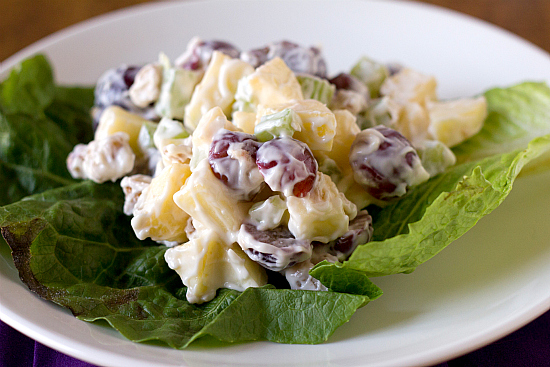
Waldorf Salad Recipe

Please use organic produce, celery, grapes and apples are some of the heaviest sprayed foods  

Waldorf Salad


Yield: 8 servings

Prep Time: 15 minutes

2 cups cubed apples (peeled and cored)
1 cup halved red grapes
½ cup chopped celery
¼ cup chopped walnuts
1 teaspoon lemon juice
2/3 cup organic mayonnaise (can be lo-cal)
Green leaf or Romaine Lettuce

In a large bowl, combine all ingredients except lettuce; mix lightly. Cover and refrigerate for at least 1 hour. To serve, place a large leaf of lettuce on a plate and spoon a generous serving onto the middle of the lettuce leaf.


Probiotics

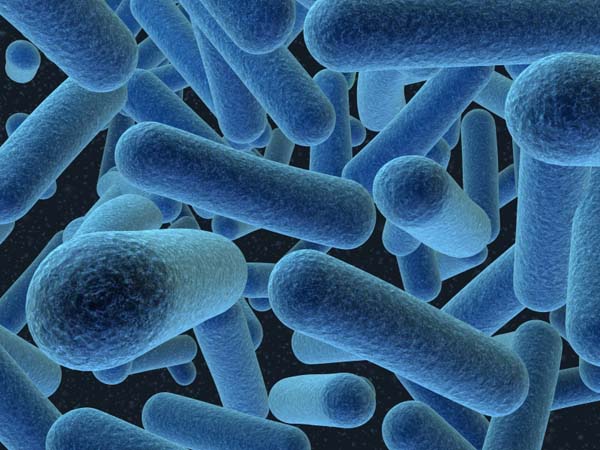
Bacteria in the gut

Bacteria in your gut


Many of us have heard the term probiotic, but what does it mean?  Probiotics are small organisms that help maintain the natural balance of organisms (micro flora) in the intestines.  The normal human digestive tract contains about 400 types of probiotic bacteria that reduce the growth of harmful bacteria and promote a healthy digestive system. The largest group of probiotic bacteria in the intestine is lactic acid bacteria, of which Lactobacillus acidophilus, found in yogurt with live cultures, is the best known. Yeast is also a probiotic substance. Probiotics are also available as supplements.

It has been suggested that probiotics be used to treat problems in the stomach and intestines. But only certain types of bacteria or yeast (called strains) have been shown to work in the digestive tract. It still needs to be proved which probiotics (alone or in combination) work to treat diseases. The strains of probiotics that have been proved to work for a specific disease are not widely available.

What are probiotics used for?

Many people use probiotics to prevent diarrhea, gas, and cramping caused by antibiotics. Antibiotics kill “good” (beneficial) bacteria along with the bacteria that cause illness. A decrease in beneficial bacteria may lead to digestive problems. Taking probiotics may help replace the lost beneficial bacteria. This can help prevent diarrhea.

A decrease in beneficial bacteria may also lead to other infections, such as vaginal yeast and urinary tract infections and symptoms such as diarrhea from intestinal illnesses.

.

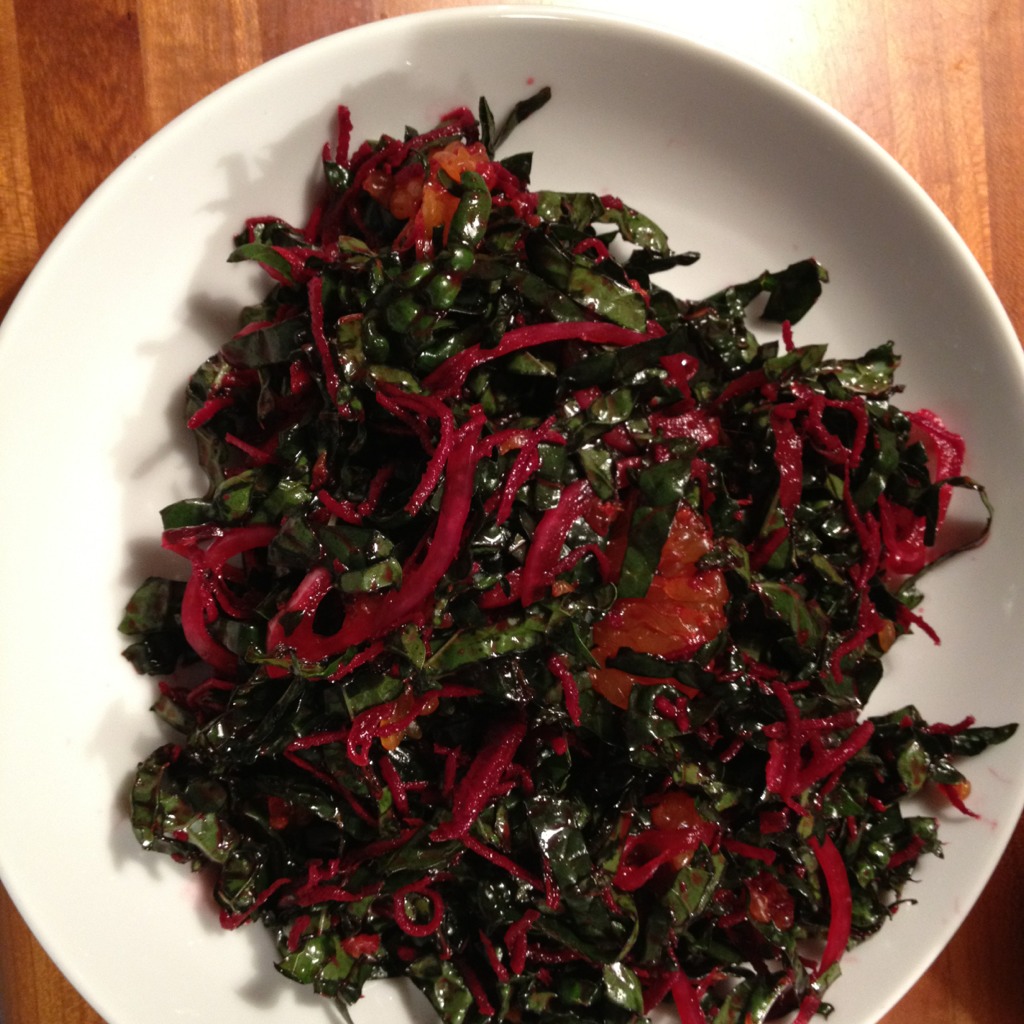
Colorful Kale and Beet Salad

nutritious and delicious!

Colorful Kale and Beet Salad


In natural medicine, beets are considered a liver support food, important for renewing the liver’s vital functions of keeping the body free of toxins. This vivacious salad boosts the body’s immune system as well by offering a high dose of antioxidant power via carrots and kale. Intensely colorful, flavorful, and so healthy, you may want to eat this on a regular basis!Salad

  • 4 large beets
  • 1/4 cup toasted pumpkin or sesame seeds
  • 1 bunch kale
  • 3 scallions
  • 1 medium carrot

Dressing

  • 3 tablespoons extra virgin olive oil
  • 2 tablespoons apple cider vinegar
  • 3/4 teaspoon dijon mustard
  • 1/4 teaspoon freshly ground pepper
  • 1 tablespoon chopped fresh basil
  • 1 teaspoon finely diced garlic

Wash beets and bring to a boil in a large pot. After boiling bring to a simmer, continue to simmer for one hour, until tender. Let cool, then peel beets and cut into 3/4 inch pieces.

In the meantime, lightly toast the pumpkin seeds by placing them in a dry skillet and cooking over medium heat. Constantly stir the seeds to ensure even cooking. When they begin to pop and give off a nutty aroma, they are ready. Set aside to cool.

Wash kale and place in a large pot of boiling water for 30 seconds. Place in strainer and cool with cold water, cut into bite size pieces. Finely dice the green onions and peel the carrot.

Place all dressing ingredients in a bowl and mix well with a wire whisk. In a separate bowl place chopped beets, chopped kale, diced green onions, sliced carrots and pumpkin seeds. Add dressing and toss gently. Serve chilled. Makes approximately six servings.


A hearty, delicious, nutritionally packed soup for cold weather.

Butternut and Red Lentil Soup

We had so much fun at our last cooking class! Here are few comments about the class.
I had so much fun Nina, and learned so much…especially about coconut oil. Can’t wait for the next one!
Heidi Fischer
I have been to both of Nina’s Happy Hour Cooking Classes and learn so much each time! The food is always delicious! Candace Bixler

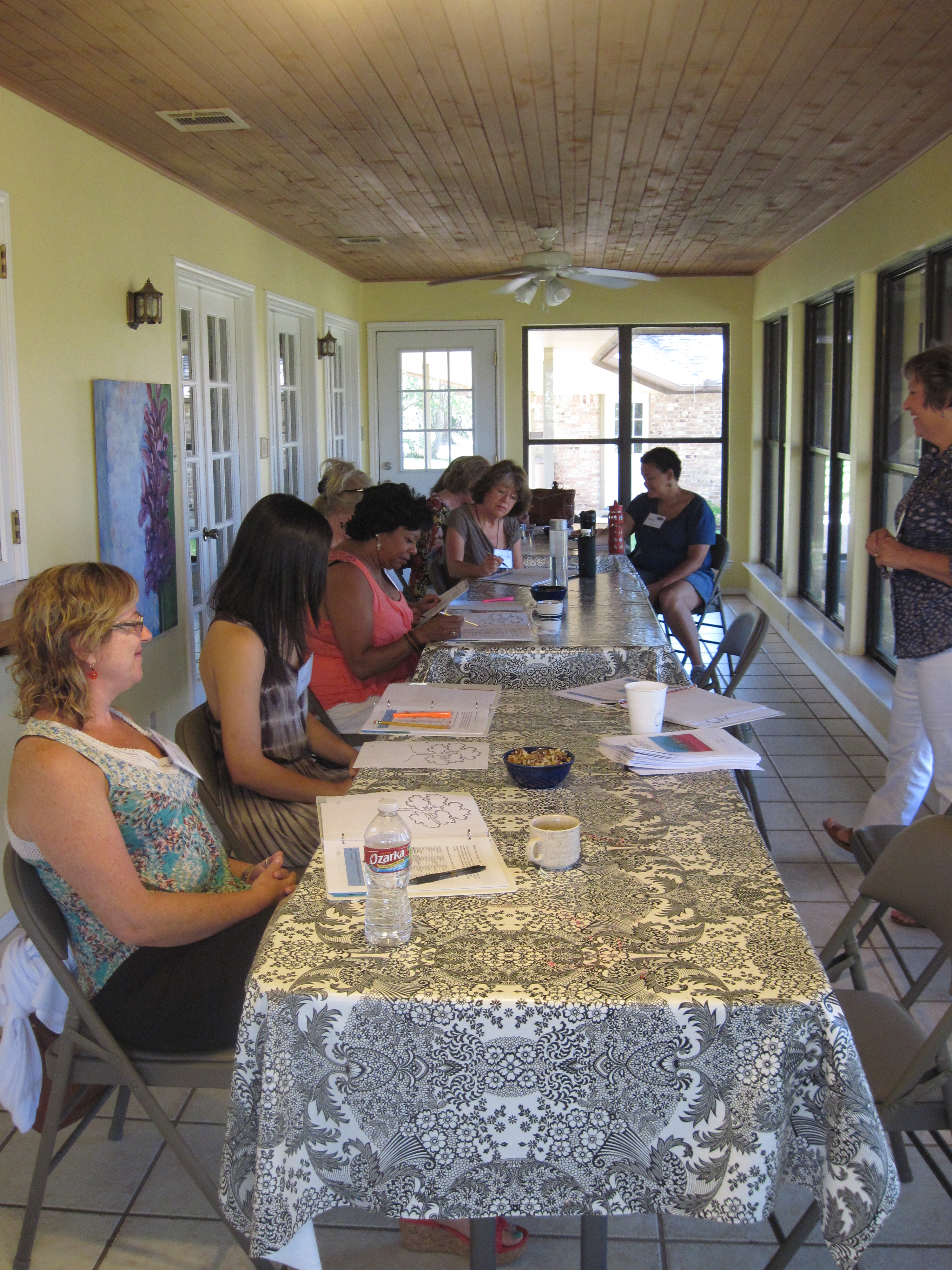
What fun we had at the Wise Women’s Retreat, Ignite Your Light was held June 9th!
It was a day of meeting new women from around the state, learning and eating some great food!
I teamed up with Candace Bixler, Leadership Impact Life Coach, and MariJo Harding, Financial Coach.
For some time now I have wanted to bring these three areas of health, financial and life coaching together in one cohesive experience.
The day flowed well. Starting at 10 am we had a common gathering where we had a chance to visit and meet
each other. Throughout the day the women went to break out sessions in smaller groups and rotated between the three classes.
I prepared  a spread of organic, local fare such as gazpacho, and kale/avocado salad and quinoa with roasted vegetables.  All were delicious, nutritious and gluten free!
If you weren’t able to make it, we will keep you posted about our next retreat in the area!

Two of the participants had this to say:                                                                 

Karla Johanning : “I learned some valuable tools today.”

Glenda Roselle : “The entire day was fun and inspiring!”

Broccoli Soup with a Twist

Cream of Broccoli Soup with Coconut Milk

nutritious, weight management, fiber, vitamin C

Cream of broccoli soup with coconut milk

This new broccoli soup recipe has a creamy secret. Use gold potatoes to help thicken it. This allows you to use a lighter coconut milk with way less fat. Of course, if you prefer a full fat version of your favorite coconut milk,that’s fine too.

You’ll need:

1 tablespoon olive oil or coconut oil (I prefer coconut)
2 cloves of garlic, chopped
1/4 cup diced onion
1 inch of fresh ginger, peeled and chopped
1 tsp. gluten-free curry paste to taste or 1 tsp. curry powder
5 cups fresh broccoli, rough cut
3 cups of peeled diced gold potatoes
Fresh water, as needed
Sea salt and ground pepper, to taste
A handful of fresh parsley, roughly chopped
1 cup coconut milk

Heat the olive oil in a large soup pot set over medium heat and stir in the garlic, onion, ginger and curry paste (this seasons the oil). Add in the cut up broccoli and gold potatoes. Add just enough water to cover the vegetables- not too much. You can always thin the soup later.

Add the chopped parsley. Season with sea salt and fresh pepper, to taste.

Bring the vegetables to a high simmer. Cover the pot, and reduce the heat to a medium simmer. Cook for twenty minutes or so, until the potatoes are fork tender.

Remove the pot from the heat. Use an immersion blender to puree the soup.

Return the pot to the stove and add in the coconut milk. Stir and heat through gently (don’t boil the pureed soup).