Author Archive for nina – Page 4

Abundant research continues to reveal the longevity benefits of the Mediterranean Diet.  The real “secret” behind this way of eating/living is the abundance of polyphenols found in the diet and may be responsible for its ability to reduce mortality risk.

Polyphenols are plant based compounds, abundant in micronutrients, which help lower risks of heart attack, stroke, high blood pressure, and inflammatory markers (such as C Reactive Protein and A1C.)

They are powerful antioxidants that can neutralize free radicals, reduce inflammation and slow tumor growth.  In addition, insulin sensitivity, oxidative stress and atherosclerosis are all positively affected with a diet high in polyphenols.

A diet rich in polyphenols increases levels of nitric oxide, the body’s natural blood vessel relaxant and a biomarker of healthy aging.  Those who follow the Mediterranean diet have been shown to have half as much age-related brain shrinkage!

Below is a Sample List of polyphenol foods: Enjoy!


  • Berries, plums, sweet black cherries, apples, black currants,
  • Cloves, star anise, fennel
  • Peppermint and other seasonings,
  • Black and white beans, lentils
  • Walnuts, hazelnuts, pecans and almonds,
  • Artichokes, spinach, red onions. Broccoli, avocados
  • Black and green tea,
  • Red wine, champagne, dark spirits
  • Olives, pomegranates, grapes,
  • Fresh fish (non farm raised fish)
  • Dried herbs and spices of all kinds.,
  • Cocoa, cacao
  • Peaches, lemons, apricots, flax and celery seed
  • Olive oil, walnut, coconut, avocado oil, sesame oil
  • Prunes, dark chocolate, black elderberry
  • Coffee
  • Romaine, red, green and butter lettuce
  • Seaweed foods and vegetables
  • Cruciferous vegetables


Staying Healthy on the Road

long road 2Staying healthy on the Road


What an adventure! One month, 25 states, (plus the District of Columbia and Ontario) 7000 miles, friends, family and beautiful country.

In our travels across the country to the eastern seaboard my husband and I did not encounter too many good food choices. We were often in rural areas with no Whole Foods etc. We decided to eat veggie omelets the mornings that we ate in cafes, and most were quite delicious and fresh! We bought fresh produce along the way and ate many simple meals in the car, such as fresh Wisconsin cheese and apples.

We purchased a large BP free water container from REI in Santa Fe and filled it with our good filtered well water.   That lasted for about half the trip. We refilled it at Whole Foods in Bloomington, MN. We did not purchase 1 plastic water bottle in an entire month! I am a firm believer in staying well hydrated and we had NO excuse not to.

In addition we packed our green food powder, whey protein powder, B Complex and other supplements and did a pretty good job of maintaining our routine we have at home.

Keep in mind that we were not in an RV but traveling in Tom’s Four Runner. We stayed with many loving friends and family along the way. We even helped with the construction of my daughter’s family’s farm house in Wisconsin!  We did manage to go on hikes and walks along the way.

Back Camera

Our adventure began in Baltimore where Tom’s son lives, continued on through Rhode Island, Vermont, New York, Ontario, Michigan, Wisconsin and Minnesota to name a few places! We completed our last few days driving through the fabulous Rocky Mountains at the height of the Aspen color and then stayed our last night on the road at my favorite hot springs on the planet, Ojo Caliente!  ojospa.com

Back Camera

Seeing our grandson, Henry, was clearly a BIG highlight of the trip. This is Grandpa Tom hangin’ with him while he ate frozen raspberries from their garden. He loves them! That kid will eat any veggie you put in front of him…a great role model at 14 months!

We are so grateful to everyone’s hospitality along the way!

Needless to say it was great to get home. This is the sunrise that greeted us on October 1st. Wow!

Back Camera

In Good Health!

In Good Health!  Nina

Things are going along nicely here in New Mexico.  We have been here 2 months today!  As you can imagine the sunrise/sunsets are pretty spectacular just about every day. This morning I found a good 7 mile loop on my bike with just enough hills to challenge but not kill me.  Tom and I did a 5 K last weekend which did just about kill both of us!  We helped the Pecos Cross Country Team raise some money.  It was a beautiful day but getting used to 8000 feet elevation takes some time.

Tom is on a fishing trip in Canada so I am going on a road trip to Taos tomorrow (taos.org/)and then onto Ojo Caliente Sunday.(www.ojospa.com/)

Back Camera

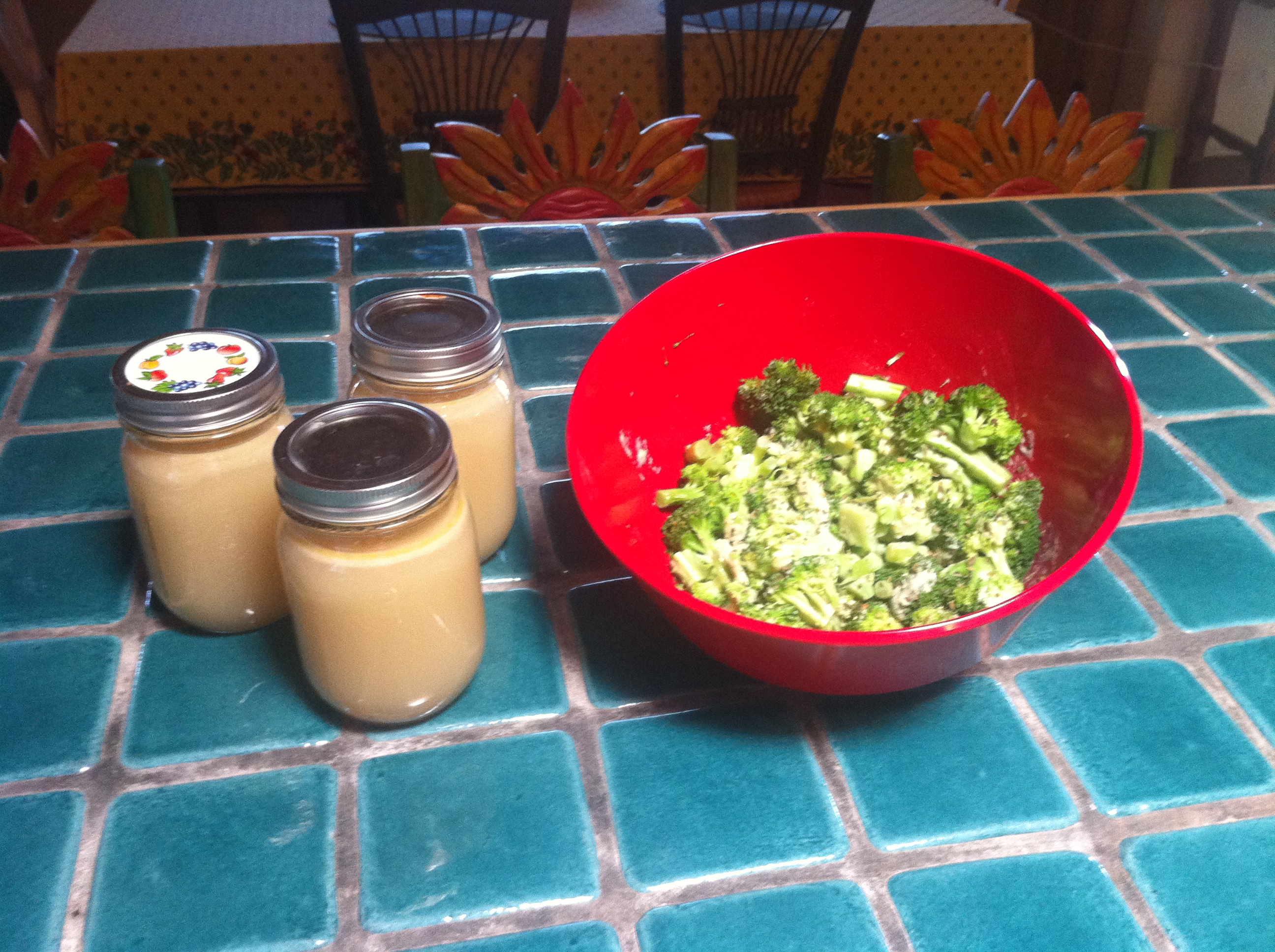
I had a productive morning making bone broth (which cooked over the last several days) and a delicious broccoli/tahini salad for my trip.

Here are the simple recipes.

For Chicken Bone Broth always use organic chicken, vegetables of choice such as celery, carrot, onion etc.  Cook a minimum of 10 hours.  I prepare mine over a few days in the morning when it is still cool.

For Broccoli Salad steam broccoli until bright green but still crunchy.  Mix one tab tahini with 2 tab bone broth or water.  Add a dash of either rice vinegar or apple cider vinegar and seasonings of choice.  I use sea salt and herbs.

Remember bone broth is one of the best ways to support your immune system.  I use it to cook veggies, make sauces, soups etc.  It is delicious and also very good for your skin!

Back Camera

The quail couple were spotted in my back courtyard yesterday.  I think they’re in love!

From mi casa to su casa…hope you are having a great summer!

Back Camera

Nina

Optimal Magnesium Levels for Positive Aging

Healthy foods

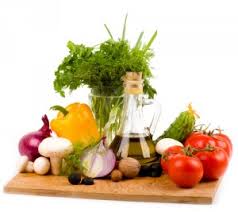
Foods that help reduce inflammation and are rich in magnesium

By Nina Beucler Rebstock

Certified Health and Nutrition Counselor


If we think of aging as a journey and not a fight, a privilege and not a sentence, the last decades of our lives are liberating! By giving our bodies what they need to function properly, we supply energy, nutrients, hydration and the foundation to have strong, interesting longevity experiences! Magnesium is one of the essential ingredients in this equation. But not all magnesium is created equal.


What is magnesium and why do we need it?


Magnesium is a macro-mineral, and one of the six essential minerals that must be supplied in the diet. It is needed for more than 300 chemical reactions in the body. It helps to maintain normal nerve and muscle function, supports a healthy immune system, keeps the heartbeat steady, and helps bones remain strong. It also helps regulate blood glucose levels, aids in the production of energy and protein, and is needed to adjust the levels of cholesterol produced and released into the blood stream.

Hard working magnesium drives our fuel source, protects our DNA and regulates our electrolyte balance. This powerful mineral also helps you relax and can relieve constipation. We need magnesium for brain health, adrenal health, heart health, and overall wellbeing.


Some signs that you are low in magnesium are:


  • Muscle cramps
  • Headaches
  • Heart rhythm abnormalities
  • Loss of appetite
  • Fatigue, numbness or tingling
  • Nausea
  • Painful muscle spasms or cramps
  • Fibromyalgia
  • Facial tics
  • Eye twitches, or involuntary eye movements
  • Calcium deficiency
  • Anxiety
  • Times of hyperactivity
  • Difficulty getting to sleep, or staying asleep


Neuromuscular symptoms such as these are among the classic signs of a potential magnesium deficiency

Magnesium researcher Mildred Seelig has called magnesium “the silent             guardian of our hearts and arteries” and “necessary for life.” And Dr. Carolyn   Dean calls it “the missing link to total health.”


How is magnesium beneficial?


Magnesium is a natural calcium-channel blocker – many functional medicine practitioners have used magnesium supplements to help lower and maintain healthy blood pressure.

While we often hear about the importance of calcium for bones, magnesium is the other key mineral for healthy bones. Because so many people take calcium without magnesium, there may actually be a greater need for magnesium in people who are treating osteopenia or osteoporosis. Many people may be in danger of taking too much calcium, which can excite the heart and cause A-fib. In order to balance calcium and magnesium a good ratio is one part calcium to two parts magnesium.


Magnesium is probably the most important nutrient for heart health.  It helps keep coronary arteries from having spasms, which is what causes the intense chest pain known as angina. Magnesium also helps protect blood vessels, which is where most of what we call heart disease actually happens. It is also a natural blood thinner, much like aspirin, so many doctors and researchers believe that it may help prevent heart attacks and strokes.

Perhaps the area where magnesium could have the biggest impact is in the prevention of diabetes. Scientists have proven that magnesium levels are low in people with diabetes; people with higher magnesium levels do not develop diabetes; and that supplementing with magnesium appears to help reverse pre-diabetes.


The current daily value (DV) for magnesium is 400mg but some people can benefit from higher levels provided it is not magnesium stearate, which can cause gut distress.

Although it is important to eat foods rich in magnesium it is recommended to supplement as well.


The forms of magnesium that are well absorbed are:


  • Magnesium Chloride
  • Magnesium L-Threonate
  • Magnesium Glycinate
  • Ancient Minerals Magnesium Oil or lotion. (It is believed that magnesium is well absorbed when applied topically.)
  • Magnesium stearate is recommended for constipation. (It can cause diarrhea so consult a physician or health counselor before using.)


Most people now know that the soil our food is grown in is mineral deficient. This is the key reason why we need to eat magnesium rich foods and supplement daily.


Foods high in magnesium include:


  • Dark leafy greens
  • Nuts and seeds, (especially pumpkin seeds and roasted cashews)
  • Fish
  • Beans such as black and navy
  • Lentils
  • Seafood
  • Avocados
  • Yogurt
  • Bananas and dried fruit (such as figs, apricots and prunes)
  • Dark chocolate
  • Collard greens
  • Garlic
  • Kelp
  • Edemame
  • Whole grains (sprouted or soaked are best)
  • Flaxseeds (ground)


Older adults are particularly vulnerable to low magnesium levels. As we age we often eat less magnesium rich foods even though our need for magnesium increases.

In addition, magnesium metabolism may be less efficient as we grow older, as changes in the GI tract and kidneys contribute to absorbing and retaining less magnesium.


* If you are over 55 it is very important to optimize your magnesium levels.

The current daily value (DV) for magnesium is 400mg but some people can benefit from higher levels provided it is not magnesium stearate, which can cause gut distress.


Eating magnesium rich foods daily is necessary. It is also recommended to supplement with good quality magnesium.


The forms of magnesium that are well absorbed are:

  • Magnesium L Threonate
  • Magnesium Glycinate,
  • Ancient Minerals Magnesium Oil. (It is believed that magnesium is very well absorbed when applied topically.)

Between 65% and 80% of Americans are deficient in magnesium, so ask your health practitioner to check your magnesium levels. In the mean time eat foods rich in magnesium daily, and consider supplementing with quality magnesium. As you can see there are many delicious choices.


To your health!


Why Serotonin is important to our health

Foods with serontonin

Foods with serontonin

‘Tis the season and for many people, it might mean there could be some blue days ahead. Many of us struggle with this time of year. Less sun, shorter days and a general feeling of the blues, is not uncommon during the holidays and on into winter.

It is important that you continue (or start) taking Vitamin D3 daily. I take at least 5000 IU/day. Remember that Vitamin D3 is actually a hormone, which is needed to help process calcium from our food, and to support proper bone growth.

In addition supplementing with 1000IU/day or more, it’s proven to reduce falls by 19%-26%. It has also been shown to strengthen the immune system. So pay attention to your Vitamin D3 supplementation all year long, but especially in the winter.

Why Serotonin is Good for You

For many of us, depression can become or already is an issue. There are many researchers who believe that an imbalance in serotonin levels may influence mood in a way that can lead to depression, anxiety, and even panic attacks. They confirm what might be intuitively expected, that positive emotions and agreeableness foster congenial relationships with others. This, in turn, will create the conditions for an increase in social support.

It’s suggested and I agree that you focus on eating foods that help support the production of serotonin. Serotonin is a neurotransmitter that is produced in the brain, but 80 to 90 percent is found in the digestive tract and in blood platelets. Of the approximately 40 million brain cells, most are influenced by serotonin. Serotonin is important because it affects:

  • Mood
  • Memory
  • Sexual desire and function
  • Appetite
  • Sleep
  • Temperature regulation
  • Some social behaviors

The reason so many people use SSRIs, serotonin reuptake inhibitors, is to mitigate depression and low-energy feelings.

I believe that eating the foods listed below can help your body to produce the serotonin that it needs to counteract unwanted feelings. If you can incorporate some of these foods daily,you will help create balance and an elevated mood, and perhaps keep the blues at bay!

Foods to Boost Serotonin Levels:

  • Free Range Turkey
  • Flaxseed/ Flaxseed oil
  • Buckwheat
  • Wild Fish and Seafood, Non-GMO
  • Whey protein powder
  • Bananas-organic
  • Free Range organic Eggs
  • Sour Cherries
  • Free Range Beef
  • Dark Chocolate-Raw if possible

Try this out for the next several months, if you’re not allergic to any of the ones mentioned. The overall good feelings will surprise you. The World Health Organization (WHO) states, “Health is a state of complete physical, mental and social well-being and not merely the absence of disease or infirmity.”

The best of health to you all!

Potato Leek Soup

potato leek
 Potato Leek Soup
Ingredients
1 pound leeks, cleaned and dark green sections removed, approximately 4 to 5 medium
3 tablespoons unsalted butter or coconut oil
Heavy pinch kosher salt, plus additional for seasoning
14 ounces, approximately 3 small, Yukon gold potatoes, peeled and diced small
1 quart vegetable or chicken broth (homeade is awesome!)
1 cup heavy cream (omit if needed)
1 cup almond or rice milk
1/2 teaspoon white pepper
1 tablespoon snipped chives
Directions
Chop the leeks into small pieces.In a 6-quart saucepan over medium heat, melt the butter. Add the leeks and a heavy pinch of salt and sweat for 5 minutes. Decrease the heat to medium-low and cook until the leeks are tender, approximately 25 minutes, stirring occasionally.Add the potatoes and the vegetable/chicken broth, increase the heat to medium-high, and bring to a boil. Reduce the heat to low, cover, and gently simmer until the potatoes are soft, approximately 45 minutes.Turn off the heat and puree the mixture with an immersion blender until smooth. Stir in the heavy cream, buttermilk, and white pepper. Taste and adjust seasoning if desired. Sprinkle with chives and serve immediately, or chill and serve cold.

Seniorcare.com

rocks and sandPlease check out the articles I have written for Senior Care at http://www.seniorcare.com/resources/foods-and-nutrition/are-you-over-50-you-may-need-this-nutrient/

This is one of many articles I have written for Senior Care.  

Please check out more articles at seniorcare.com

What is Inflammation and why is it so important to reduce it?

nina beucler nutrition coach/health planner

There are two kinds of inflammation. The first is the body’s response to an injury such as falling on a knee and having it swell as part of the healing response. The second is whole-body inflammation, which refers to chronic, imperceptible, low-level inflammation. Studies suggests that over time this kind of inflammation sets the foundation for many serious, age-related diseases including heart disease, cancer and neurodegenerative conditions such as Alzheimer’s and Parkinson’s diseases. Please refer to this study about inflammation and Alzheimer’s. http://www.ncbi.nlm.nih.gov/pubmed/10858586

There are many causes for this type of inflammation, such as a poor diet, low activity level, too much alcohol consumption, smoking and stress.

 Here are a number of ways to reduce inflammation:

Take omega-3 fatty acids. (fish oil)

Replace processed foods with fresh vegetables and some fresh fruit. (more on this later).

It is important to focus on green vegetables which are rich in antioxidants, phytonutrients and important nutrition. Below is a list of foods rich in antioxidants.

Eat a Low glycemic index foods (no processed, “white” foods etc.) which means that it is important to stop eating refined, processed and manufactured food.

Eat enough dietary fiber daily.

Consume Arginine-rich foods (fish, nuts) regularly.

Move your body, get some physical activity daily.

Restrict your alcohol intake.

Replace processed foods with fresh vegetables and some fresh fruit.

*It is important to focus on green vegetables, which are rich in antioxidants, phytonutrients and necessary nutrition.

 Below is a list of some foods rich in antioxidants:

All berries

Small red beans, pinto and black beans

Prunes, plums and gala apples

Broccoli, cabbage, greens such as kale, spinach and swill chard

Tomatoes, watercress, red or sweet potatoes


“To exist is the change…to change is to mature…to mature is to

go on creating oneself…Endlessly…”   Samuel Aivital


Soup’s On!                                                         

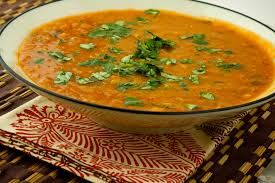
Lentil Soup

Lentil Soup


A great Paleo dish full of flavor, fiber and nutrition!

Ingredients:

1 cup brown lentils

2 cups water

6 cups chicken bone broth

3 Tbsp olive oil or coconut oil

1 large onion, chopped

Pinch of cayenne, red pepper or paprika

4 garlic cloves, finely chopped

1/2 cup cilantro, chopped

1 bunch Swiss chard leaves, chopped

1/2 cup fresh, organic lemon juice

Directions:

In a medium saucepan, combine lentils with water, stock and 1 and 1/2 tea. sea salt and bring to a boil.  Cover partially and cook over moderately low heat until lentils are just tender, about 25 minutes.

Meanwhile, heat the  oil in a large skillet, add onion and red pepper and cook on moderately high heat until nicely browned, 8 to 10 minutes.  Add garlic and cilantro and cook for one minute.  Add Swiss Chard and saute until wilted.

Add the chard mix to the lentils, cover and simmer about 15 minutes.  Stir in lemon juice and serve!

*You can add additional herbs that you like such as thyme, marjoram or even some turmeric.


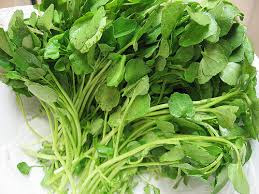
watercress

Watercress is high in Vitamin K, C, and B vitamins,

manganese and antioxidants.

A powerhouse of nutrition!

Ingredients

  • 1 bunch watercress, trimmed and chopped
  • 4 sprigs fresh mint, chopped
  • 1 handful flat-leaf parsley or cilantro, chopped
  • 1 heart of romaine, chopped
  • 1 ripe lime, juiced
  • 3-4 Tab olive oil
  • Coarse salt and pepper to taste

Directions

Combine watercress, mint parsley and romaine in bowl.

Blend the lime juice with olive oil and pour over salad. Season to taste.  Enjoy!